
our services
Craniosacral Therapy & Bodywork
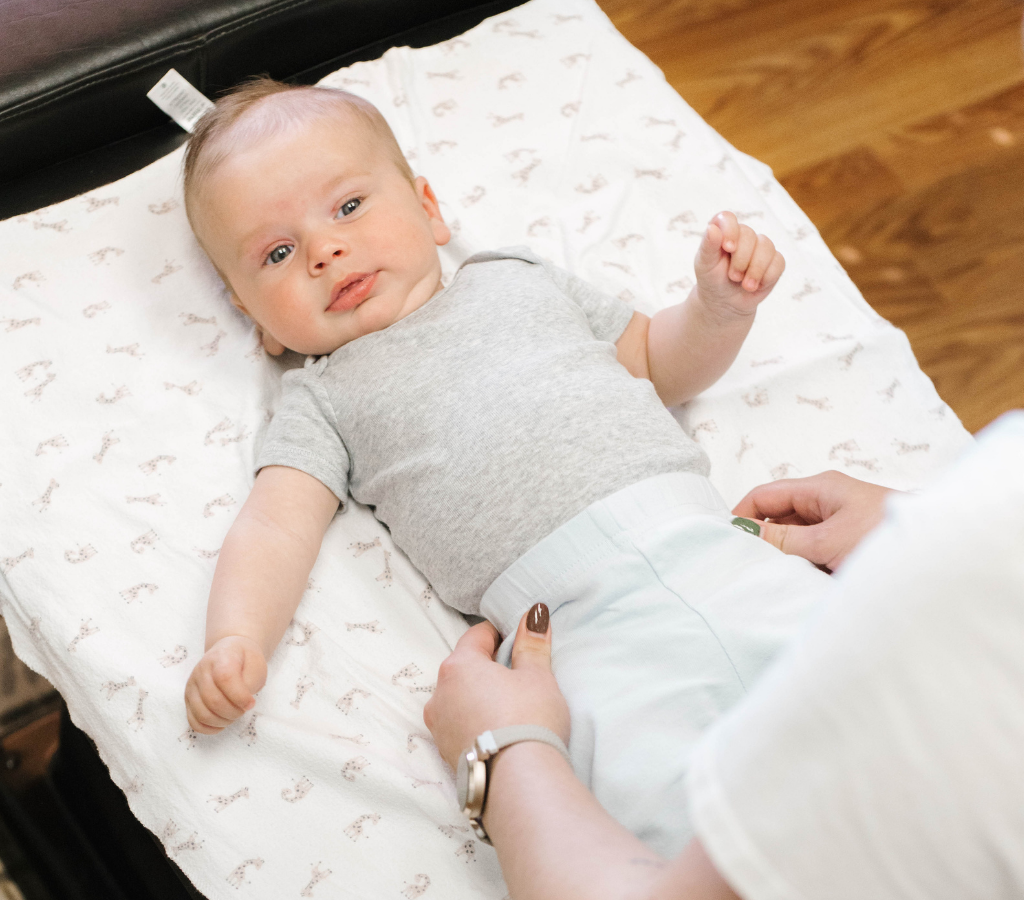
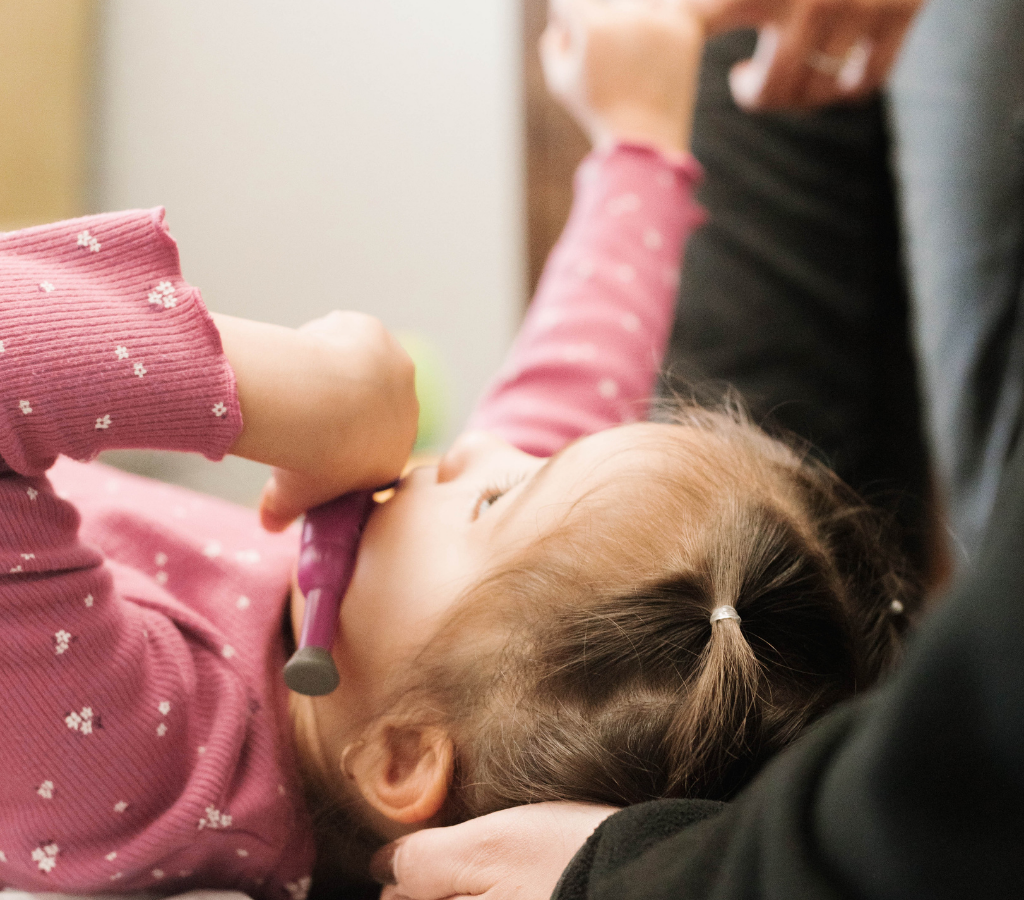
At Integrated Chiropractic & Wellness, we work closely with families of babies diagnosed with, or showing signs of, oral restrictions like tongue and lip ties. Craniosacral therapy (CST) and gentle bodywork play a key role in this care, before, during, and after treatment, helping baby's body and mouth function the way they're meant to.
What Is Craniosacral Therapy?
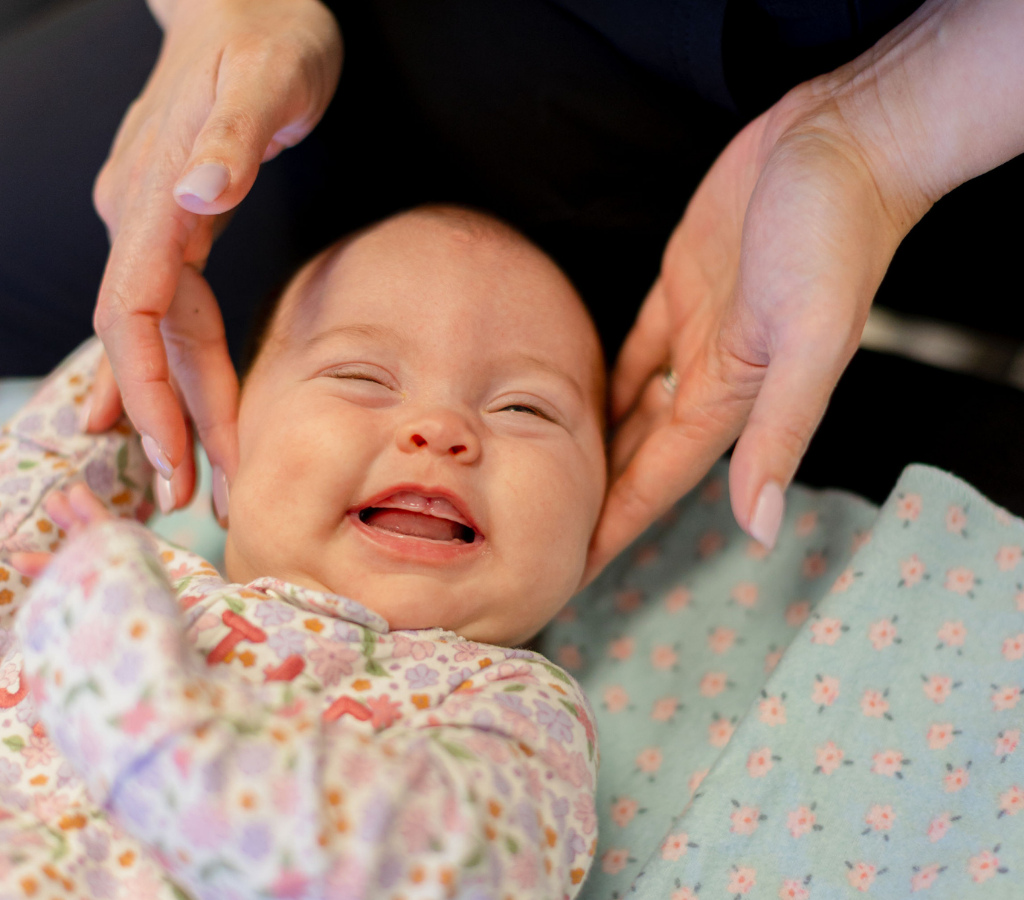
Craniosacral therapy is a light-touch technique that works with the cranial bones, sutures, and structures inside the skull. Cerebrospinal fluid (CSF) flows up and down the dural tube, from cranium to sacrum, 11-16 times a minute, and with each cycle, the cranial bones move subtly through flexion and extension. This motion never stops. It's present from birth, and it's essential to how your baby grows.
CST helps release tension or restriction in this system, whether it stems from the birth process itself or from an oral restriction. A baby's cranium is remarkably pliable, so the earlier they receive care, the better the outcome tends to be.
What Are Oral Restrictions?
A tongue tie (ankyloglossia) happens when a band of tissue under the tongue restricts its normal movement. Babies can also have a lip tie or buccal tie, restrictions of the tissue connecting the lip or cheek to the gums. These often go unnoticed until a problem shows up, and what matters most isn't just whether the tissue is there, but how much it's limiting function.
Signs to watch for in babies include:
✔ Trouble latching or nursing, even with a good position and hold
✔ Feeding difficulty on the bottle, too
✔ Excess gas, fussiness, reflux, or constipation
✔ Slow or poor weight gain
✔ Clicking, gagging, or choking sounds while feeding
Left unaddressed, oral restrictions can later show up as trouble chewing or handling certain food textures, difficulty using a straw, speech delays, snoring, teeth grinding, and other developmental delays. If you notice any of these signs, we're happy to do an initial assessment in office, and we'll refer you to one of our trusted partners (an IBCLC, pediatric dentist, or pediatric ENT) for an official diagnosis.
How CST &
Bodywork Help
Before a revision (frenectomy): If your baby is diagnosed with a tie, the release itself is what corrects the restriction; nothing else changes the tissue. But CST and adjustments beforehand make a real difference in how that release goes. Restricted movement from a tongue tie tends to pull the whole body out of balance, babies often favor one side, which can contribute to torticollis or misalignment in the neck. Getting the body's tissue and fascia loose and well-aligned ahead of time means your provider isn't working against tight tissue, and it sets your baby up for a smoother, more complete release.
After a revision: We recommend continued care for at least 6 weeks post-revision. This is when your baby is learning to use their tongue in ways it's never moved before, lifting, touching the palate, coordinating a new latch, suck, and swallow. Because that new tongue motion also helps shape and mold the palate and cranium correctly as it develops, cranial work during this window matters. We'll also work on suck retraining and keeping the tongue and surrounding tissue strong and mobile, so your baby can sustain the new range of motion on their own. This is the period where you'll typically see the biggest changes, alongside the exercises, stretches, and tummy time your care team recommends at home.
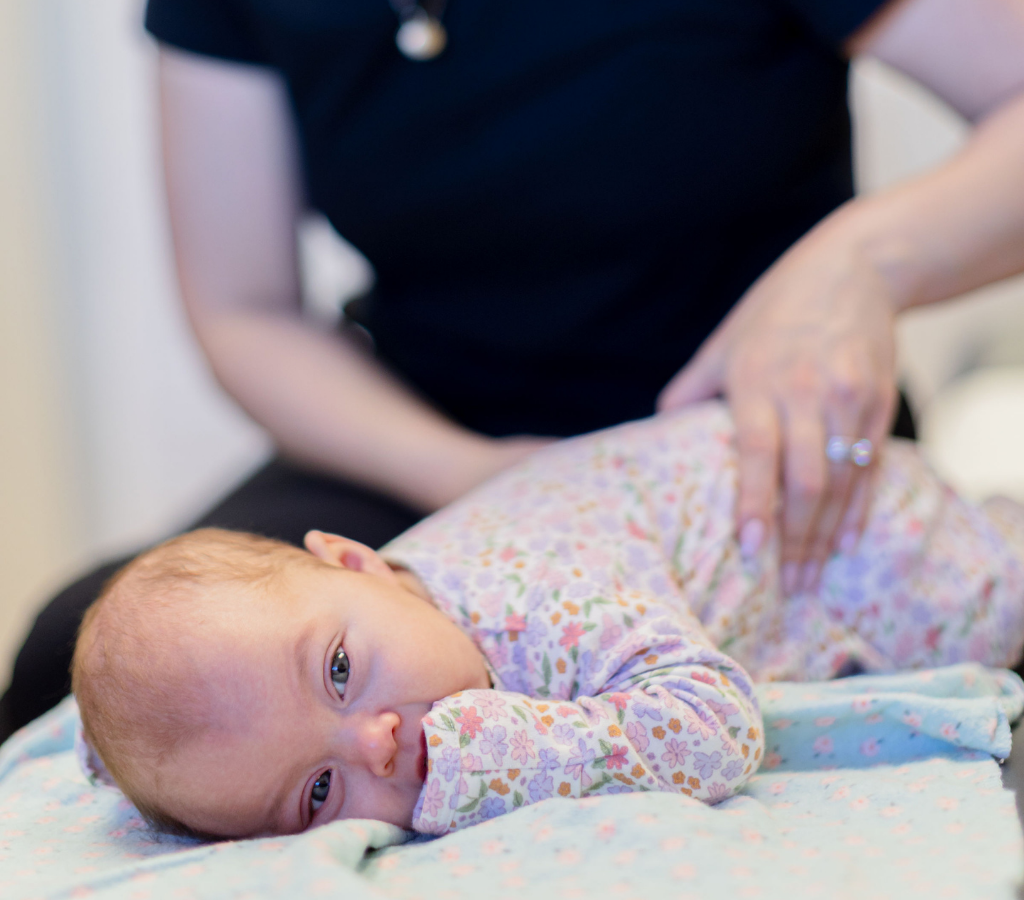
Adjustments for babies are safe, gentle, and require no more pressure than you'd use to check if an avocado is ripe.
Who Can Benefit
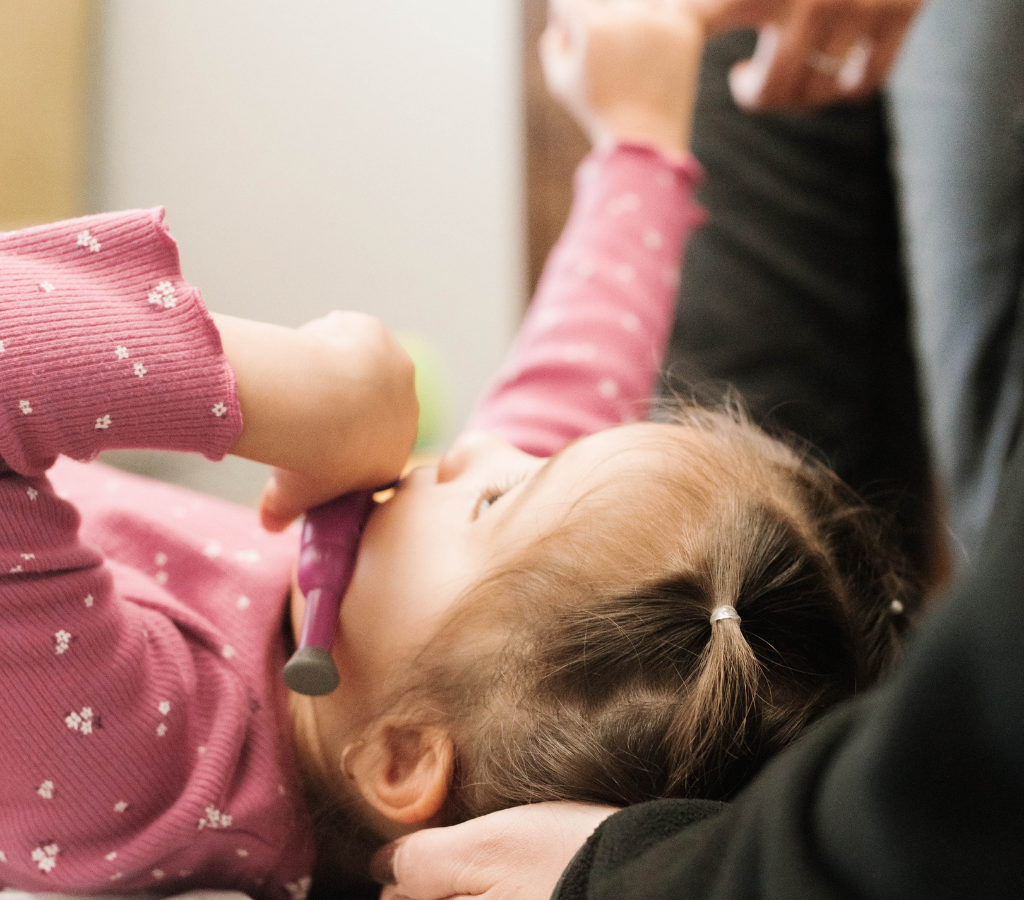
While we see this most often in infants and young children, since that's when oral restrictions are typically discovered, CST and bodywork can also benefit older children and adults with an undiagnosed or unaddressed restriction. Symptoms in older kids and adults can include TMJ pain, snoring or sleep apnea, chronic headaches, digestive issues, chronic congestion, and speech difficulties.
Schedule a Visit
If your baby is showing signs of an oral restriction, or you're looking for supportive pre- or post-revision care, we're here to help. Contact us to schedule an appointment in Houston, Katy, Fulshear, or Richmond, Texas today!
Everything you need before you come in.
Hours
Mon - Thur · 8:30am – 12pm; 2pm-6pm
Fri · 8:30am – 12pm
Sat - Sun · Closed
Find Us
29818 FM 1093 #205
Fulshear, TX 77441

Follow us


© 2026 Integrated Chiropractic & Wellness
All Rights Reserved.
Privacy Policy | Terms & Conditions
━our services
Craniosacral Therapy & Bodywork
At Integrated Chiropractic & Wellness, we work closely with families of babies diagnosed with, or showing signs of, oral restrictions like tongue and lip ties. Craniosacral therapy (CST) and gentle bodywork play a key role in this care, before, during, and after treatment, helping baby's body and mouth function the way they're meant to.
What Is Craniosacral Therapy?
Craniosacral therapy is a light-touch technique that works with the cranial bones, sutures, and structures inside the skull. Cerebrospinal fluid (CSF) flows up and down the dural tube, from cranium to sacrum, 11-16 times a minute, and with each cycle, the cranial bones move subtly through flexion and extension. This motion never stops. It's present from birth, and it's essential to how your baby grows.
CST helps release tension or restriction in this system, whether it stems from the birth process itself or from an oral restriction. A baby's cranium is remarkably pliable, so the earlier they receive care, the better the outcome tends to be.
What Are Oral Restrictions?
A tongue tie (ankyloglossia) happens when a band of tissue under the tongue restricts its normal movement. Babies can also have a lip tie or buccal tie, restrictions of the tissue connecting the lip or cheek to the gums. These often go unnoticed until a problem shows up, and what matters most isn't just whether the tissue is there, but how much it's limiting function.
Signs to watch for in babies include:
✔ Trouble latching or nursing, even with a good position and hold
✔ Feeding difficulty on the bottle, too
✔ Excess gas, fussiness, reflux, or constipation
✔ Slow or poor weight gain
✔ Clicking, gagging, or choking sounds while feeding
Left unaddressed, oral restrictions can later show up as trouble chewing or handling certain food textures, difficulty using a straw, speech delays, snoring, teeth grinding, and other developmental delays. If you notice any of these signs, we're happy to do an initial assessment in office, and we'll refer you to one of our trusted partners (an IBCLC, pediatric dentist, or pediatric ENT) for an official diagnosis.
How CST & Bodywork Help
Before a revision (frenectomy): If your baby is diagnosed with a tie, the release itself is what corrects the restriction; nothing else changes the tissue. But CST and adjustments beforehand make a real difference in how that release goes. Restricted movement from a tongue tie tends to pull the whole body out of balance, babies often favor one side, which can contribute to torticollis or misalignment in the neck. Getting the body's tissue and fascia loose and well-aligned ahead of time means your provider isn't working against tight tissue, and it sets your baby up for a smoother, more complete release.
After a revision: We recommend continued care for at least 6 weeks post-revision. This is when your baby is learning to use their tongue in ways it's never moved before, lifting, touching the palate, coordinating a new latch, suck, and swallow. Because that new tongue motion also helps shape and mold the palate and cranium correctly as it develops, cranial work during this window matters. We'll also work on suck retraining and keeping the tongue and surrounding tissue strong and mobile, so your baby can sustain the new range of motion on their own. This is the period where you'll typically see the biggest changes, alongside the exercises, stretches, and tummy time your care team recommends at home.
Adjustments for babies are safe, gentle, and require no more pressure than you'd use to check if an avocado is ripe.
Who Can Benefit
While we see this most often in infants and young children, since that's when oral restrictions are typically discovered, CST and bodywork can also benefit older children and adults with an undiagnosed or unaddressed restriction. Symptoms in older kids and adults can include TMJ pain, snoring or sleep apnea, chronic headaches, digestive issues, chronic congestion, and speech difficulties.
Schedule a Visit
If your baby is showing signs of an oral restriction, or you're looking for supportive pre- or post-revision care, we're here to help. Contact us to schedule an appointment in Houston, Katy, Fulshear, or Richmond, Texas today!
━ Visit Us
Everything you need
before you come in
Hours
Mon - Thur · 8:30am – 12pm; 2pm-6pm
Friday · 8:30am – 12pm
Sat - Sun · Closed
Find Us
29818 FM 1093 #205
Fulshear, TX 77441
Follow us

© 2026 Integrated Chiropractic & Wellness
All Rights Reserved.
Privacy Policy | Terms & Conditions
Subscribe To Our Newsletter
We Won’t spam. Unsubscribe at any time.